
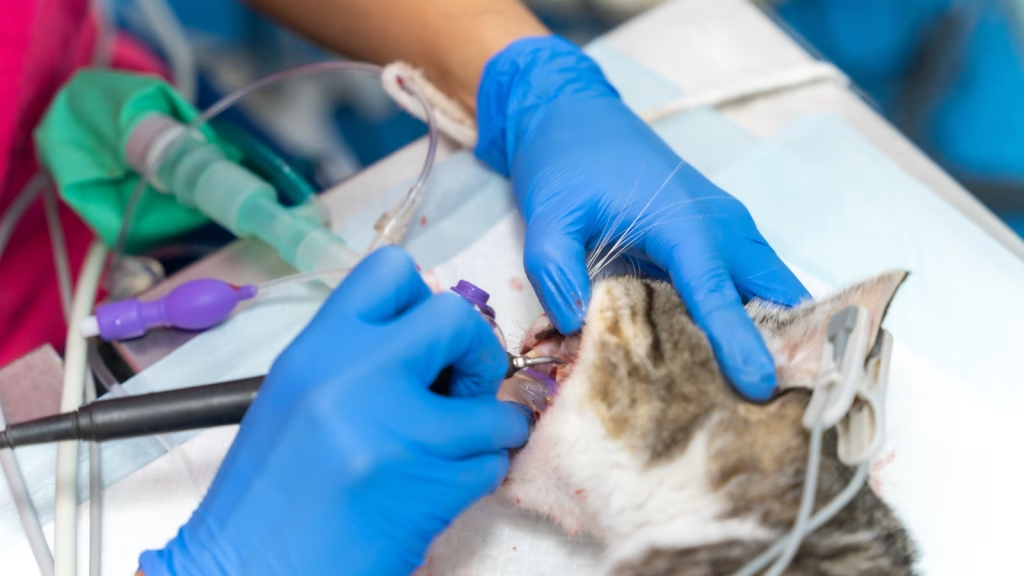
Looking for professional dog or cat dental cleaning in Bucharest? Joyvet Veterinary Clinic provides English-language support and veterinary dental care for dogs and cats in Sector 3. Services may include an oral examination, ultrasonic dental scaling, polishing and dental extractions when medically necessary.
Current dental cleaning prices are 500-800 RON for dogs and 450-500 RON for cats, depending mainly on species and body weight. Inhalation anaesthesia is included in the listed dental cleaning price.
Call: +40731803803
WhatsApp: +40731803803
Address: 68 Dumitru Papazoglu Street, Sector 3, Bucharest
Email: joyvetbucuresti@gmail.com
Veterinary dentistry in Bucharest for dogs and cats
Pet dental care is not simply about making the teeth look whiter. Bad breath, visible tartar, red gums, excessive drooling and difficulty eating can be signs of painful oral disease.
Veterinary dentistry considers the entire mouth, including the teeth, gums and surrounding tissues. It can involve:
- an oral health assessment;
- evaluation of tartar and gingivitis;
- professional dental scaling;
- tooth polishing;
- assessment of loose, fractured or painful teeth;
- treatment planning for periodontal disease;
- dental extractions when a tooth cannot be preserved comfortably;
- advice on long-term dental care at home.
Dental cleaning is therefore one procedure within veterinary dentistry. A cleaning removes plaque and mineralised tartar, while a complete veterinary dental assessment also looks for pain, inflammation, infection and teeth that may require treatment.
People sometimes search online for a “pet dentist in Bucharest” or a “vet dentist in Bucharest.” In practical terms, they are usually looking for a veterinarian who can assess and treat dental and oral problems in dogs or cats.
What is dental tartar?
Plaque is a soft bacterial film that forms on the teeth. When it is not removed, minerals in the saliva gradually harden it into dental calculus, commonly called tartar.
Tartar usually appears as a yellow, brown or grey deposit, particularly near the gum line and on the premolars and molars. Its rough surface allows more plaque to accumulate. Over time, inflammation may extend beneath the gum line and affect the tissues that support the teeth.
Once plaque has mineralised into hard tartar, ordinary brushing at home cannot remove it effectively. Professional veterinary dental cleaning is then required.
Signs your dog or cat may need a dental examination
Book a veterinary dental assessment when you notice one or more of the following:
- persistent bad breath;
- yellow or brown tartar on the teeth;
- red, swollen or bleeding gums;
- gums that appear to be receding;
- difficulty chewing dry food;
- chewing on only one side of the mouth;
- dropping food while eating;
- suddenly preferring wet or soft food;
- excessive drooling;
- pawing or rubbing at the mouth;
- reluctance to play with chew toys;
- sensitivity when the face or mouth is touched;
- a loose, broken or discoloured tooth;
- blood or discharge from the mouth;
- swelling of the face or beneath an eye;
- reduced appetite or refusal to eat.
Dogs and cats may continue eating despite significant dental pain, so a normal appetite does not always mean that the mouth is healthy. The existing Joyvet service pages similarly highlight visible tartar, persistent bad breath, inflamed gums and changes in chewing as important reasons for an examination.
Dog teeth cleaning in Bucharest
A common reason for booking dog dental cleaning in Bucharest is persistent bad breath combined with visible tartar. Although owners sometimes consider these normal signs of ageing, they can indicate gingivitis or periodontal disease.
A dog with dental pain may:
- chew more slowly;
- swallow food without chewing properly;
- use only one side of the mouth;
- drop kibble;
- avoid hard treats or toys;
- become irritable when its muzzle is touched;
- continue eating while adapting its behaviour to avoid the painful area.
Tartar removal should not be treated as a purely cosmetic service. A proper veterinary assessment is important because cleaning the visible surfaces may reveal receding gums, loose teeth, periodontal pockets, fractures or infection hidden beneath the deposits.
Cat dental cleaning in Bucharest
Cats are particularly good at hiding pain. A cat may still approach the food bowl and appear hungry, but eat only a small amount, drop pieces of food, swallow kibble without chewing or suddenly prefer wet food.
Other possible signs include:
- bad breath;
- drooling;
- hiding more than usual;
- irritability when the head is touched;
- grooming less;
- weight loss;
- rubbing the mouth with a paw;
- moving away from the bowl after trying to eat.
Dental disease in cats is not limited to tartar and gingivitis. Cats may also develop tooth resorption, a condition in which the structure of one or more teeth is progressively destroyed. Resorptive lesions can be extremely painful and are not always visible during a quick examination of an awake cat. Changes in chewing, swallowing food without chewing and developing a preference for soft food are recognised signs.
For this reason, cat dental cleaning should be viewed as an oral health assessment and treatment procedure rather than a cosmetic tartar-removal appointment.
What does professional pet dental cleaning include?
The exact plan depends on your pet’s age, weight, medical history, oral health and anaesthetic risk. A typical Joyvet dental pathway may include the following stages.
1. Initial consultation and medical history
The veterinarian will ask about:
- bad breath and when it started;
- changes in appetite or chewing;
- drooling or oral bleeding;
- weight loss;
- previous dental procedures;
- chronic medical conditions;
- current medication;
- previous reactions to sedation or anaesthesia.
This information is particularly important for senior pets and animals with cardiac, renal, hepatic, respiratory or endocrine disease.
2. General clinical assessment
Dental care begins with the patient as a whole, not only with the visible tartar. The veterinarian evaluates the animal’s general condition and considers any factors that could influence the procedure or anaesthetic plan.
The mouth is examined as thoroughly as the awake animal safely allows. However, pain, stress and movement can limit what can be seen before anaesthesia, particularly in cats.
3. Pre-anaesthetic investigations when indicated
Blood tests may be recommended before the procedure, especially for:
- adult or senior animals;
- pets with chronic medical conditions;
- animals taking long-term medication;
- patients with an abnormal clinical examination;
- pets with a previous anaesthetic reaction.
These tests cannot eliminate every anaesthetic risk, but they provide information that helps the veterinarian plan the procedure for the individual patient.
Read more about pre-anaesthetic blood tests and other diagnostic investigations.
4. Inhalation anaesthesia and monitoring
At Joyvet, the listed dental cleaning price includes inhalation anaesthesia. Anaesthesia allows the animal to remain still and free from the stress of dental instruments while the veterinary team works safely and carefully.
5. Ultrasonic dental scaling
An ultrasonic scaler is used to remove mineralised plaque and tartar from the tooth surfaces and areas around the gum margin.
Professional veterinary dental cleaning is generally defined as scaling to remove plaque and calculus, followed by polishing and an oral examination.
6. Tooth polishing
After scaling, the teeth are polished. Polishing smooths the tooth surface after tartar removal and helps reduce the roughness to which new plaque could adhere. The Joyvet dog dental page also includes ultrasonic cleaning followed by polishing as part of the dental procedure.
7. Assessment for damaged or painful teeth
Once heavy tartar has been removed, the veterinarian may identify:
- loose teeth;
- severe gingival recession;
- exposed roots;
- fractured teeth;
- painful dental lesions;
- areas of infection;
- advanced periodontal disease;
- suspected tooth resorption in cats.
A tooth is not recommended for extraction merely because it looks unattractive. Extraction is considered when the tooth is painful, unstable, severely damaged or represents an ongoing source of inflammation or infection.
Depending on the findings, the agreed treatment plan and the duration of the procedure, extractions may be performed during the same anaesthetic episode or planned separately.
8. Recovery and discharge instructions
Your pet is monitored during recovery from anaesthesia. Before discharge, you receive instructions regarding:
- food and water;
- expected drowsiness;
- prescribed medication;
- oral discomfort;
- care after an extraction;
- signs that require a call to the clinic;
- long-term dental prevention.
Why is pet dental cleaning performed under anaesthesia?
A complete veterinary dental cleaning cannot be performed safely and thoroughly while a dog or cat is awake.
Without anaesthesia, only the visible tartar above the gum line can usually be removed. The pet may move suddenly, close its mouth, become frightened or experience pain. Areas around and beneath the gum line cannot be properly examined or treated, and painful teeth may remain undetected.
The American Animal Hospital Association states that anaesthesia-free scaling removes only visible tartar and does not provide the same ability to diagnose and treat disease beneath the gums. AAHA also identifies stress, injury, aspiration risk and limited diagnostic capability as important concerns with non-anaesthetic dentistry.
An anaesthesia-free procedure may make the visible crowns look cleaner, but it is not equivalent to a professional veterinary dental cleaning. The American Veterinary Dental College similarly distinguishes superficial, awake scaling from a comprehensive veterinary dental procedure.
Anaesthesia is never treated as risk-free. The veterinarian considers your pet’s age, clinical condition, medical history and recommended tests before deciding how the procedure should be performed.
Dog and cat dental cleaning cost in Bucharest
The prices below are the current Joyvet rates available in August 2026.
| Animal and body weight | Dental cleaning price |
| Cat under 5 kg | 450 RON |
| Cat over 5 kg | 500 RON |
| Dog under 10 kg | 500 RON |
| Dog weighing 10–20 kg | 650 RON |
| Dog weighing 20–40 kg | 750 RON |
| Dog weighing over 40 kg | 800 RON |
| Dental extractions | 100-500 RON, depending on difficulty |
The listed dental cleaning prices include inhalation anaesthesia. Dental extractions are charged separately according to difficulty. For senior animals or patients with serious systemic or chronic disease, the price may change if a different anaesthetic protocol is recommended.
Other investigations or treatments may be charged separately when medically indicated. Please confirm the applicable estimate when booking, as veterinary prices may be updated.
What influences dog dental cleaning cost?
The cost of dog teeth cleaning in Bucharest can vary according to:
- body weight;
- general health and anaesthetic risk;
- recommended pre-anaesthetic tests;
- procedure duration;
- presence of loose or infected teeth;
- need for extractions;
- postoperative treatment.
A young, otherwise healthy dog with moderate tartar will not necessarily require the same plan as a senior dog with severe gingival recession, loose teeth and chronic medical conditions.
What influences cat dental cleaning cost?
The cost of cat dental cleaning may depend on:
- the cat’s body weight;
- age and general health;
- pre-anaesthetic investigations;
- suspected resorptive lesions;
- number and difficulty of dental extractions;
- postoperative medication and follow-up.
Cats may have painful lesions that are difficult to appreciate before a complete examination. For this reason, the final treatment plan can sometimes change after the mouth has been assessed more thoroughly.
How to prepare for your pet’s dental appointment
When booking, provide the clinic with:
- species and breed;
- age;
- approximate body weight;
- main dental signs;
- known medical conditions;
- current medication;
- previous anaesthetic problems;
Bring any relevant documents, including:
- vaccination record or pet passport;
- recent blood-test results;
- previous veterinary reports;
- details of current treatment;
- information about allergies or previous reactions.
If a procedure under anaesthesia is scheduled, the clinic will give you specific instructions regarding food, water and medication. Do not assume the fasting interval yourself, particularly for puppies, kittens, diabetic animals, senior pets or patients receiving regular medication.
Do not stop chronic medication or administer human painkillers, antibiotics or anti-inflammatory medication unless instructed by a veterinarian.
What happens after dental cleaning?
Some dogs and cats are sleepy for several hours after anaesthesia. Keep your pet in a quiet, warm area and follow the discharge instructions regarding food, water and activity.
After a simple cleaning, the recommendations may differ from those given after dental extractions. When teeth have been removed, your pet may require:
- softer food for a specified period;
- pain medication;
- other prescribed treatment;
- temporary restrictions on chews or hard toys;
- a follow-up examination.
Contact the clinic if you notice severe lethargy, repeated vomiting, breathing difficulty, persistent bleeding, marked facial swelling, obvious worsening pain or complete refusal of food.
How can tartar be prevented from returning?
Professional cleaning removes existing mineralised tartar, but plaque will begin accumulating again. A realistic home-care plan can help maintain the result.
Depending on your pet’s temperament and oral condition, the veterinarian may recommend:
- gradual tooth brushing with pet toothpaste;
- a suitable pet toothbrush or dental wipe;
- an appropriate dental diet;
- veterinary dental chews;
- oral gels or water additives;
- periodic oral examinations.
The Veterinary Oral Health Council maintains separate lists of accepted products for dogs and cats, including diets, treats, toothpastes, water additives, brushes and wipes that have met its plaque- or tartar-control criteria.
Do not attempt to remove hard tartar at home with metal instruments. Do not use human toothpaste, as pet toothpaste is formulated differently and is intended for animals that swallow it.
When is a dental problem urgent?
Routine dental scaling is usually a planned procedure, but some dental signs require prompt veterinary assessment.
Contact the clinic quickly if your dog or cat has:
- complete refusal of food;
- severe oral pain;
- sudden or extensive facial swelling;
- swelling beneath an eye;
- heavy drooling;
- persistent bleeding from the mouth;
- pus or an extremely strong oral odour;
- a loose tooth associated with pain;
- a recently fractured tooth;
- trauma to the jaw or muzzle;
- difficulty opening or closing the mouth;
- sudden withdrawal, weakness or altered general condition.
In cats, refusal of food should be treated particularly seriously. In dogs, swelling beneath the eye may sometimes be associated with infection at the root of an upper tooth. Do not aggressively inspect or clean a painful mouth and do not administer leftover medication without veterinary advice.
English-language veterinary dental care in Bucharest
Joyvet provides English-language support for expats, international visitors, foreign residents and pet owners who prefer to discuss their animal’s care in English.
When you contact the clinic, mention that you would prefer English. You can also send a short description containing:
- your pet’s species, age and weight;
- the signs you have noticed;
- how long they have been present;
- known medical conditions;
- current medication;
- photographs of the teeth, if they can be taken without causing pain or stress.
Learn more about our English-speaking veterinary clinic in Bucharest.
Frequently asked questions about pet dental cleaning in Bucharest
How much does dog dental cleaning cost in Bucharest?
Dog dental cleaning at Joyvet currently costs between 500 and 800 RON, depending on body weight. The listed price includes inhalation anaesthesia. Dental extractions, when required, are charged separately according to difficulty.
How much does cat dental cleaning cost in Bucharest?
Cat dental cleaning currently costs 450 RON for a cat under 5 kg and 500 RON for a cat over 5 kg. Inhalation anaesthesia is included in the listed price.
Is anaesthesia included in the dental cleaning price?
Yes. Joyvet’s current dog and cat dental cleaning prices include inhalation anaesthesia. Additional tests, extractions or treatments may be charged separately when medically necessary.
Can dog or cat teeth cleaning be performed without anaesthesia?
Superficial visible tartar can sometimes be scraped from an awake pet, but this is not equivalent to a complete veterinary dental cleaning. Without anaesthesia, the veterinary team cannot safely and thoroughly assess and clean the important areas around and beneath the gum line.
Is dental scaling for dogs the same as dog teeth cleaning?
The expressions are often used for the same service. However, a complete veterinary dental cleaning should involve more than scaling alone. It normally includes an oral assessment, removal of plaque and tartar, polishing and evaluation for painful or damaged teeth.
Does bad breath mean that my pet needs dental cleaning?
Persistent bad breath is a common sign of plaque, tartar, gingivitis or oral infection, but it does not automatically prove that scaling is the only treatment needed. A veterinary examination is required to determine the cause.
Will my dog or cat need dental extractions?
Not every pet needs an extraction. Extractions may be recommended when a tooth is loose, fractured, infected, severely affected by periodontal disease or painful because of another dental lesion. The decision is based on the medical findings and the expected benefit for the animal.
How long does pet dental cleaning take?
The duration varies according to the amount of tartar, the condition of the gums, the pet’s health and whether extractions or other treatment are required. The total visit also includes preparation, anaesthesia, monitoring and recovery, not only the scaling itself.
Does my pet need to fast before dental cleaning?
A pet scheduled for anaesthesia will usually receive fasting instructions, but the exact timing depends on age, species, health and medication. Follow the instructions provided by the clinic rather than choosing a fasting period yourself.
Dog and cat dental cleaning in Bucharest at a glance
- Clinic: Joyvet Veterinary Clinic
- Location: 68 Dumitru Papazoglu Street, Sector 3, Bucharest
- Patients: Dogs and cats
- Services: Dental examination, ultrasonic scaling, polishing and dental extractions when medically required
- Dog dental cleaning price: 500 – 800 RON
- Cat dental cleaning price: 450 – 500 RON
- Anaesthesia: Inhalation anaesthesia included in the listed cleaning price
- English support: Available when requested during booking
- Booking: Call: +40731803803or WhatsApp: +40731803803
Last medically reviewed and updated: August 2026